

Introduction
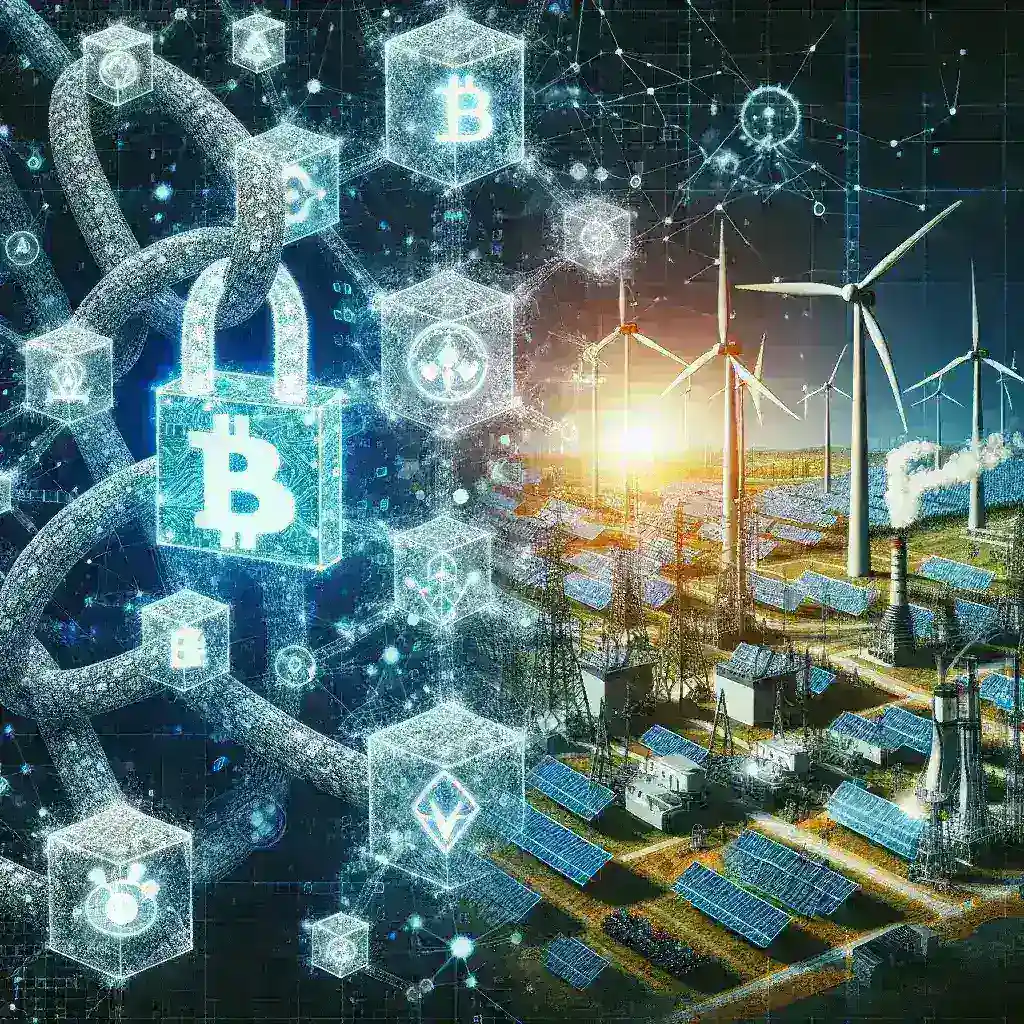
Blockchain technology has emerged as a powerful tool in various sectors, and the energy trading market is no exception. Traditional energy trading methods often rely on intermediaries and complex processes. However, the adoption of blockchain can revolutionize this landscape, offering improved transparency, reduced costs, and increased efficiency.
What is Blockchain?
Blockchain is a decentralized digital ledger technology that ensures data integrity through a network of computers. Each transaction is recorded in a block and linked to the previous one, forming an unchangeable chain. This technology provides a secure and transparent way to conduct transactions without the need for a central authority.
Benefits of Blockchain in Energy Trading
- Transparency: Blockchain provides a clear and accurate record of all transactions, making it easier for participants to verify data.
- Efficiency: Smart contracts can automate and expedite the trading process, reducing the need for manual intervention.
- Lower Costs: By eliminating intermediaries, blockchain can significantly reduce transaction costs.
- Decentralization: Participants can trade directly with one another, fostering a peer-to-peer energy trading model.
- Sustainability: With real-time tracking of energy sources, blockchain can promote the use of renewable energy.
How Blockchain is Transforming Energy Trading
Peer-to-Peer Energy Trading
Blockchain enables peer-to-peer energy trading, allowing individuals to buy and sell excess energy generated from renewable sources, such as solar panels. This decentralized model empowers consumers and encourages the adoption of clean energy.
Enhanced Grid Management
The integration of blockchain with smart grids can improve demand response and load management. By utilizing real-time data, blockchain can facilitate better distribution of energy resources, optimizing supply and demand more effectively.
Carbon Credit Trading
Blockchain can streamline the carbon credit trading process, ensuring transparency and traceability. This can help organizations meet regulatory requirements and promote sustainable practices.
Challenges Facing Blockchain in Energy Trading
Despite its advantages, the implementation of blockchain technology in energy trading faces several challenges:
- Regulatory Uncertainty: The regulatory landscape for blockchain technology is still evolving, which can create uncertainties for energy traders.
- Interoperability: Different blockchain platforms may not communicate effectively with each other, hindering widespread adoption.
- Scalability: As the number of transactions increases, blockchain networks may face scalability issues that could impact performance.
Conclusion
Blockchain technology holds significant potential to transform energy trading by enhancing transparency, reducing costs, and promoting sustainability. As the industry continues to evolve, addressing the existing challenges will be crucial in paving the way for a more efficient and decentralized energy marketplace.

Leave a Reply